Software Production Management for the modern enterprise

Governing the Software Factory — one management-ready productivity score

Steer software production across time, money, risk, and value. Every year without portfolio-level governance, costs compounds — amplified now by AI tools that generate code faster than any oversight system can follow. Seerene changes that. In 30 days.

60–80%

potential waiting to be unlocked

"Your software organization is your largest uncontrolled cost center."

Many signals No score No leadership logic
55–65%In bigger teams, we typically see 55–65% of engineering capacity lost to structural friction.
€18–40Mrecoverable annually per 1,000 developers
30 daysto the first objective board-level baseline
25%+engineering capacity unlocked per year
Trusted by leading enterprises across industries
Siemens SAP Deutsche Bahn Telekom Audi Deutsche Post Henkel DBS Bank

The Diagnosis

The Transparency Paradox

Adding more local developer tools decreases portfolio-level clarity for the C-suite. The board sees less, not more, as tooling proliferates — because every tool produces its own local truth, its own metric system, its own reporting logic. None of it adds up to a coherent picture at the top.

Software has become the single largest cost center in most large enterprises, consuming more capital than physical infrastructure, logistics, or procurement. And yet it remains the only major operational asset that executive leadership cannot objectively measure, compare, or govern in real time.

Traditional operations run on exact metrics: units produced, defect rates, throughput, yield. Software runs on subjective self-reporting by the same engineering organization whose performance is being reported — with no independent verification, no portfolio-level comparability, no system of record.

"Watermelon reporting: green on the outside, red on the inside. Projects appear healthy in high-level reports, but hide underlying issues. The C-suite has no way to know the difference."

This is not a people problem. It is a structural absence of the management layer that every other capital-intensive operational process has long taken for granted.

600FTEs effectively standing still per 1,000 developers
25%Recoverable engineering capacity with governance
80%Of time lost when a single expert departs
Efficiency compounding over three years with governance
Structural Friction CategoryCapacity LostVisibility
Low-quality code accumulation~16%Hidden
Defect and rework cycles~22%Hidden
Unsteered / below-radar work~11%Hidden
Knowledge monopolies~11%Partial
AI-amplified technical debtGrowingInvisible

The Acceleration

Multiplying speed multiplies structural risk.

AI coding tools — Copilot, Cursor, v0, and their successors — are multiplying code output at a pace previously impossible. Boards are demanding AI adoption. Engineering teams are delivering it. And in doing so, they are generating code at machine speed into codebases that were already structurally fragile — without any independent visibility into what is accumulating, and at what cost.

Fast code generation without governance does not reduce technical debt. It amplifies it exponentially. Every line of AI-generated code that is not independently observable is a line of invisible liability on the balance sheet of future engineering capacity. The board that mandated AI adoption now needs a system that can tell them whether that adoption is generating value or liability.

That system does not yet exist in most large organizations. What exists instead: fragmented tool data that no one has normalized; self-reported AI productivity claims that no one has verified; and an accelerating gap between what engineering teams report and what executive leadership can objectively confirm.

"AI scales output. Governance must scale with it. Without an independent visibility layer, every AI mandate is also an unmanaged acceleration of structural risk."

Seerene makes the structural impact of AI-generated code visible at portfolio scale — separating real productivity gains from the complexity that accumulates alongside them. It turns AI adoption from a governance blind spot into a managed, measurable experiment anchored in time and money.

I

Systemic waste: the existing burden

Decades of accumulated technical debt and structural friction have drastically reduced the actual value-creation capacity of engineering teams. Industry analyses consistently show 55–65% of engineering capacity consumed by structural overhead rather than value creation. The organization does not know where the capacity goes. Leadership cannot see it. A management layer has never existed at the level required to address it.

Financial implication: €25–40M recoverable capacity per 1,000 developers, per year
II

The AI imperative: the accelerant

AI coding assistants multiply developer output 3–5× in controlled conditions. Across an organization of 1,000 developers, this translates to a code volume previously requiring several thousand developers — introduced into an existing codebase with established technical debt, architectural decisions made years ago, and knowledge concentrated in a small number of individuals. The speed is real. The structural complexity accumulating alongside it is equally real, and currently invisible to every management layer above the individual engineer.

Strategic implication: AI adoption without visibility creates compounding structural risk that is currently unquantifiable for most organizations
III

The accountability shift: boards expect objective evidence

Across sectors and organizational contexts, boards and executive leadership are demanding a quality of evidence about software production that self-reported status presentations cannot provide. This is not driven by a single regulation. It is driven by the recognition that software is a capital asset — and capital assets are governed with independent data, not management narratives. The organizations that can provide this evidence gain a structural advantage. Those that cannot will find their governance credibility questioned.

Governance implication: objective delivery evidence is becoming a board-level expectation, not an engineering preference

Why Existing Tools Are Not Enough

More tooling creates more local signal.
It does not create strategic clarity.

Large engineering organizations already run sophisticated tool landscapes: version control, CI/CD pipelines, issue tracking, test automation, code quality scanners, sprint planning systems. Each captures real data. None of them, alone or in combination, produces a coherent management view at the portfolio level.

The result is a paradox: adding more tools decreases visibility at the top, because each new system creates its own local truth — normalized to its own schema, interpreted by its own team, reported in its own format. The C-suite has more data available than ever and less ability to act on it.

What is missing is not another tool. It is a management intelligence layer that sits above the existing toolchain, normalizes its fragmented signals into a single comparable score, and translates engineering reality into the language of executive decision-making.

Seerene does not replace the tools already in use. It connects to them — read-only, non-invasive, without workflow disruption — and transforms their combined output into the unified view that could not previously be assembled from any combination of those systems. From tool noise to strategic clarity.

What Seerene reads — and what it produces

Read-only normalization across the full engineering toolchain. No replacement. No disruption.

Existing tool Management view produced
Code repositories Structural code quality, complexity hotspots, knowledge concentration, AI-generated code share and structural impact
CI/CD pipelines Delivery throughput, cycle time, build failure patterns, deployment frequency — normalized across the full portfolio
Issue & defect trackers Rework volume, defect density, unsteered work, backlog health — comparable across teams and vendors
Test automation Coverage gaps, quality gate status, release risk indicators, structural regression exposure
Code quality scanners Technical debt density, maintainability trends, standards compliance — consistent across all vendors and stacks
Requirement management End-to-end traceability, requirement coverage, alignment between planning reality and delivery reality

All programming languages · All methodologies · All vendor structures · Unlimited portfolio scale


The Structural Gap

The software industry has solved two of three fundamental challenges. The third remains open.

The governance gap is the most consequential unsolved problem in enterprise software economics. Solving deployment without governing what is deployed produces speed without accountability. Solving generation without governing what is generated produces volume without quality.

Governance is not a tool that can be added later. It is the strategic capability — the independent management layer — that makes the other two safe, measurable, and steerable at the level of executive leadership.

Solved
Deployment
Vercel, AWS,
Azure et al.

Platforms have made instant, global deployment a commodity. Code goes live in seconds. The engineering challenge of getting software to production has been solved and continues to commoditize. The constraint is no longer deployment — it is understanding what is being deployed and at what structural cost.

Solved
Generation
Copilot, Cursor,
v0 et al.

AI coding assistants have fundamentally changed developer throughput. Code is produced faster than at any point in the history of software development. The constraint is no longer generation speed — it is understanding the structural quality, risk profile, and true organizational value of what is being generated.

Open
Governance

No platform yet provides executive leadership with an independent, normalized, real-time view of what is being produced across the full portfolio — what it costs, what structural quality it has, and what risk it carries. This is the management intelligence gap that Seerene was built to close. Not for individual developers. For the organizational level where strategic decisions are made.

"AI without an independent oversight layer is not a productivity tool. It is a technical debt accelerator operating at machine speed — invisible to every level of management above the individual engineer."

— Dr. Johannes Bohnet, Founder & CEO, Seerene

The Accountability Mandate

Software production governance is becoming a board-level expectation across every sector.

The demand for objective, independent reporting on software production is not driven by a single framework or a specific regulatory body. It is a structural shift in how executive leadership and boards think about software as a strategic asset — one that has become too large, too complex, and too central to business strategy to continue managing through self-reported narratives.

The underlying dynamic is straightforward: when an asset consumes more capital than any other line item on the budget, and when the risk profiles associated with that asset have materially increased — as they have with AI adoption — boards require the same quality of independent evidence they expect from every other major operational domain.

This accountability shift manifests differently across sectors and organizational contexts. But the fundamental expectation is consistent: independent, objective, continuous evidence of what the software factory produces, at what cost, and with what risk. Not a presentation. A system of record.

The organizations that establish this capability first gain more than governance credibility. They gain the ability to allocate engineering resources with the same precision they apply to financial capital — and to communicate software production performance to boards, investors, and partners with the same factual grounding as any other operational metric.

Board GovernanceSoftware as a capital asset

Boards have long demanded independent audits of physical assets, financial portfolios, and operational processes. Software — now the largest cost center in most large enterprises — is subject to growing board-level scrutiny. Directors are increasingly asking for the same quality of independent evidence from engineering that they receive from finance: normalized, comparable, and not produced by the function being evaluated.

Investment & M&ATechnical debt as balance sheet risk

Private equity, strategic acquirers, and institutional investors are increasingly factoring software governance into valuations. Technical debt concentration, knowledge monopolies, and AI-amplified code quality degradation are material balance sheet risks — now being assessed during due diligence. Organizations with objective software production data enter these processes with a significant credibility advantage.

Risk ManagementOperational resilience as a leadership priority

CROs and risk functions across sectors are beginning to treat software production as an operational risk domain requiring the same level of independent monitoring as financial, legal, and reputational risk. Knowledge concentration in single individuals, unmanaged technical debt, and the structural fragility introduced by rapid AI adoption are risk vectors previously invisible to leadership — and increasingly recognized as material.

Regulated IndustriesProvable delivery evidence

In financial services, insurance, utilities, healthcare, and public infrastructure, the accountability expectation has taken the form of specific compliance frameworks. The common requirement: an objective, auditable system of record for software delivery — not manually curated status decks, but independent, continuously maintained evidence of what the software organization produces. Seerene satisfies this requirement across all relevant frameworks.


The Seerene Platform

For the first time, your board sees exactly what your developers produce — and what they don't.

Seerene is the management and governance layer for software production. It integrates with the existing engineering toolchain — read-only, non-invasive, without workflow disruption — and normalizes the fragmented signals it reads into a single, management-ready intelligence view.

It does not ask leadership to inspect code. It enables leadership to ask better questions and make better decisions — about budgets, portfolio priorities, vendor performance, transformation investments, AI adoption, and structural risk. It translates engineering reality into the language of executive decision-making: time, money, risk, and value.

The result is what Seerene calls the C-Level Click: the moment when the language of business meets the language of code — and both become legible to everyone in the organization, from board to team lead, through one normalized view.

The Seerene Normalization Layer reads from every existing development system — version control, CI/CD, issue tracking, test automation, quality scanners, requirements management — and produces a unified productivity model that is comparable across teams, vendors, methodologies, and technology stacks.

This is not a reporting tool that makes existing data more accessible. It is an independent measurement system that produces the management view that no existing combination of tools can produce. Hidden capacity becomes visible. Structural friction becomes quantifiable. Strategic priorities become grounded in fact.

"One management-ready productivity score across portfolios, vendors, and AI-driven development. Many signals. One score. One leadership logic."

Tailored intelligence at every organizational level

One normalization layer — the right insight at every level of the organization.

1
C-Level / Board
Portfolio efficiency scores. Budget-to-value conversion. AI governance evidence. Auditable delivery record for boards and stakeholders.
2
Top Management
Cross-portfolio benchmarks. Vendor performance comparisons. Strategic capacity allocation with factual grounding.
3
Higher Management
Department-level friction identification. Technical debt density mapping. Knowledge concentration risk.
4
Mid Management
Team-level bottleneck analysis. Sprint efficiency. Unsteered work. Vendor output quality. Backlog health.
5
Operational Teams
Code-level hotspots. Knowledge concentration alerts. Refactoring priorities with objective business justification.
Normalization Layer
Read-only. All existing tools. All languages, methodologies, vendor structures. No disruption. Unlimited scale.

End-to-End Portfolio Visibility

One unified view across every team, vendor, application, and technology stack — from board-level KPIs to technical root causes. Scalable from a single team to organizations with tens of thousands of developers and billions of lines of code. No normalization effort required from engineering teams.

!

Knowledge Monopoly Detection

Identifies critical code areas understood by only one or two individuals — a hidden risk to organizational resilience. Industry analysis shows 80% of time is lost understanding foreign code when a single expert departs. Seerene flags these risks before they become crises, giving leadership time to act.

Normalized KPIs — Every Level

Converts raw technical signals from hundreds of disconnected tools into KPIs that both technical and non-technical stakeholders understand and act on. The shared language that bridges engineering reality and executive decision-making — without requiring either side to learn the other's vocabulary.

AI

AI Production Governance

Every AI coding intervention becomes a managed, measurable experiment anchored in time and money. Seerene makes the structural impact of AI-generated code visible at portfolio scale — separating genuine productivity gains from technical debt amplification. Secure GenAI rollouts through clear governance.

Management Performance Benchmarking

Objective, normalized comparison of internal and external vendor productivity across the full delivery landscape. Eliminates subjective reporting and provides factual basis for vendor decisions, contract negotiations, and sourcing strategies — from the same unified data model that governs internal teams.

Governance — Not Surveillance

All analysis operates at the team and system level. No individual performance scoring. No developer ranking. Insights describe structural patterns, value streams, and organizational friction — not individual contributors. GDPR-compliant by architecture. Fully compatible with European works council requirements.


Your Number

The financial exposure of ungoverned software production is not theoretical.

Enter your organization's scale. See what structural friction costs annually — and what a conservative 25% recovery represents in concrete budget terms. These estimates are grounded in industry analyses across hundreds of large-scale software organizations in manufacturing, financial services, automotive, retail, and public sector.

The recovery numbers are conservative by design. Seerene's own customer data — across organizations ranging from 200 to 10,000+ developers — shows recovery rates of 23–35% within the first year of governance. Without new hires. Without organizational restructuring. Without disrupting a single existing engineering workflow.

These numbers represent redirected capacity: engineering time shifted from structural friction to value creation. From maintaining the past to building the future. The compounding effect over three years consistently exceeds initial estimates.

Request an Executive Briefing

Understand your historical friction profile.
Peer-level conversation — not a sales call.

Interactive model

Hidden Capacity Estimator — What we typically see

Number of developers 1,000
Avg. fully-loaded cost per developer (€k / year) €120k
Total annual engineering investment€120M
Capacity absorbed by friction (60%)€72M
Conservative recovery potential (25%)€18M
Equivalent capacity gain+250 FTE
Industry-baseline estimates. Actual friction profile established by Seerene within 30 days — objective, portfolio-wide, independent of self-reporting. The baseline replaces estimation with fact.

How It Works

From opacity to objective governance. In 30 days.

The transition from ungoverned to governed software production does not require a multi-year transformation, a new tooling landscape, or any disruption to existing engineering teams. It requires a single executive mandate: establish the objective baseline. The rest follows from the data.

Seerene connects to all existing development infrastructure via a read-only API. No code changes. No workflow modifications. No new tools for engineering teams to adopt. Within 30 days, the board receives the first independent, objective view of the organization's software production — the one that previously did not exist.

Day 1
Connect

Read-only API integration of all existing development tools: code repositories, CI/CD systems, issue trackers, defect tracking, test automation, requirement management. 8 hours. No code changes. No workflow disruption. No new tooling for engineering teams.

Seerene brings its own code parsers where tooling is minimal — even a simple version control system is sufficient to begin. Source code remains on client infrastructure at all times. The connection is 100% reversible and fully transparent to all stakeholders.

Day 7
Normalize

Aggregation and normalization of historical data across the full portfolio. The Seerene Normalization Layer transforms raw signals from incompatible tools into a unified, management-ready productivity model — standardized across teams, vendors, programming languages, and methodologies.

The objective efficiency baseline is established: the first non-self-reported measure of where engineering capacity actually goes — across every team, application, and vendor relationship simultaneously.

Day 14
Identify

Structural hotspots become visible and quantifiable. Friction drivers, technical debt concentrations, knowledge monopolies, AI-amplified complexity areas, and rework patterns — identified with impact measured in developer-days and budget, not qualitative assessment.

For the first time, engineering leads can communicate technical root causes with objective, board-ready evidence. Management gains the data for resource and investment decisions. Engineers gain the factual justification for structural investments that have always been necessary but could never previously be made credible to leadership.

Day 30
Govern

The board receives the first independent, objective view of the organization's software production. Not a status presentation curated by the engineering team. A continuously maintained system of record — showing what the software factory produces, where capacity is recoverable, and where structural risk requires attention.

The 30-day baseline is the beginning of a continuous governance loop. As friction is reduced, efficiency improves proportionally. Less firefighting. More strategic focus. Continuous improvement becomes data-driven and visible at every organizational level. Manage software production with facts, not anecdotes.


Enterprise Readiness

Designed for complex, regulated enterprise environments.

Seerene was built for organizations where privacy, security, compliance, and works council alignment are non-negotiable prerequisites. The architecture reflects this: source code never leaves the client environment, all access is read-only, and the analysis focuses on system health and structural patterns — not individual performance.

This is not a risk mitigation compromise. It is a deliberate architectural choice. System-level insight is more strategically valuable than individual-level monitoring — and is the only basis on which organizations can improve at the organizational level rather than the individual one.

Seerene is in active use at some of Europe's most compliance-sensitive organizations — financial institutions, publicly traded manufacturers, and government-adjacent infrastructure providers. In each case, implementation has been approved by security, legal, compliance, and works council functions without architectural concession.

The bank-grade security review package, combined with the read-only architecture, makes Seerene deployable where other software intelligence tools cannot be approved.

Code Stays

Source code never leaves your environment

Seerene reads structural signals and metadata. Source code remains on client infrastructure at all times — never transmitted, stored, or processed externally. The connection is architecturally read-only and 100% reversible.

System Focus

System health, not individual monitoring

All analysis is performed at the team and system level. No individual performance scoring, no developer ranking, no personal attribution. Insights describe structural patterns, value streams, and organizational friction — not individual contributors. By design, not by constraint.

Privacy First

GDPR-compliant and works-council ready

Team-level aggregation ensures GDPR compliance by architecture. Seerene has been deployed across regulated European organizations with full works council approval. The analysis model aligns with the expectations of European data protection authorities.

Non-Invasive

Measurable delivery without workflow disruption

Engineering teams continue using every tool they already use. No new interfaces, no new data entry, no process changes. Seerene reads from existing systems. The first baseline appears without a single engineering workflow being altered.

Enterprise Grade

Bank-grade security package available

A comprehensive enterprise security review package is available for organizations with elevated security requirements. Seerene has been assessed and approved at several of Europe's most compliance-sensitive financial and industrial organizations.

Reversible

No lock-in. Fully reversible.

The Seerene connection can be terminated at any time without data residue, without impact on existing systems, and without organizational consequence. Adopt with confidence. Exit cleanly if needed. No external data storage beyond the normalized model.


Customers

Organizations managing software production at scale, across every sector.

The Seerene customer base reflects the universal nature of the software production management challenge. Structural friction, invisible capacity, and the absence of portfolio-level governance are not sector-specific problems. They are a consequence of operating software production at enterprise scale — regardless of industry, methodology, or technology stack.

Customers include global industrial manufacturers, financial services groups, automotive companies, logistics operators, public sector technology organizations, insurance providers, and retail technology platforms. The common factor is not sector. It is scale — and the recognition that software production requires the same management discipline as any other major operational system.

"For the first time, we had an objective view across all our software production lines. Not a report generated by our own team — an independent fact. The board conversation changed immediately."

Head of Software Engineering — Global Industrial Enterprise

23% capacity recovery · First 6 months

"We discovered that 40% of our highest-paid engineers were effectively working on the same legacy module. We had no visibility into that until Seerene established the baseline."

Chief Technology Officer — Large Automotive Manufacturer

Knowledge risk eliminated · Q1 outcome

"The board no longer has to take our word for it. The data is independent, normalized, and continuously current. That changes the governance conversation at the highest level."

Chief Digital Officer — European Financial Services Group

Objective system of record · Board-ready
A selection of organizations that have created value with Seerene
Siemens
SAP
Deutsche Bahn
Telekom
Audi
HUK-Coburg
Schufa
Deutsche Post
Heidelberg
Henkel
REWE Systems
ImmobilienScout24
AOK Systems
DBS Bank
Flixbus
AutoScout24
Otto Group
Bayerische Versorgungskammer

Organizations governing software production at scale across every sector

See what our customers and partners say →


Executive Perspectives
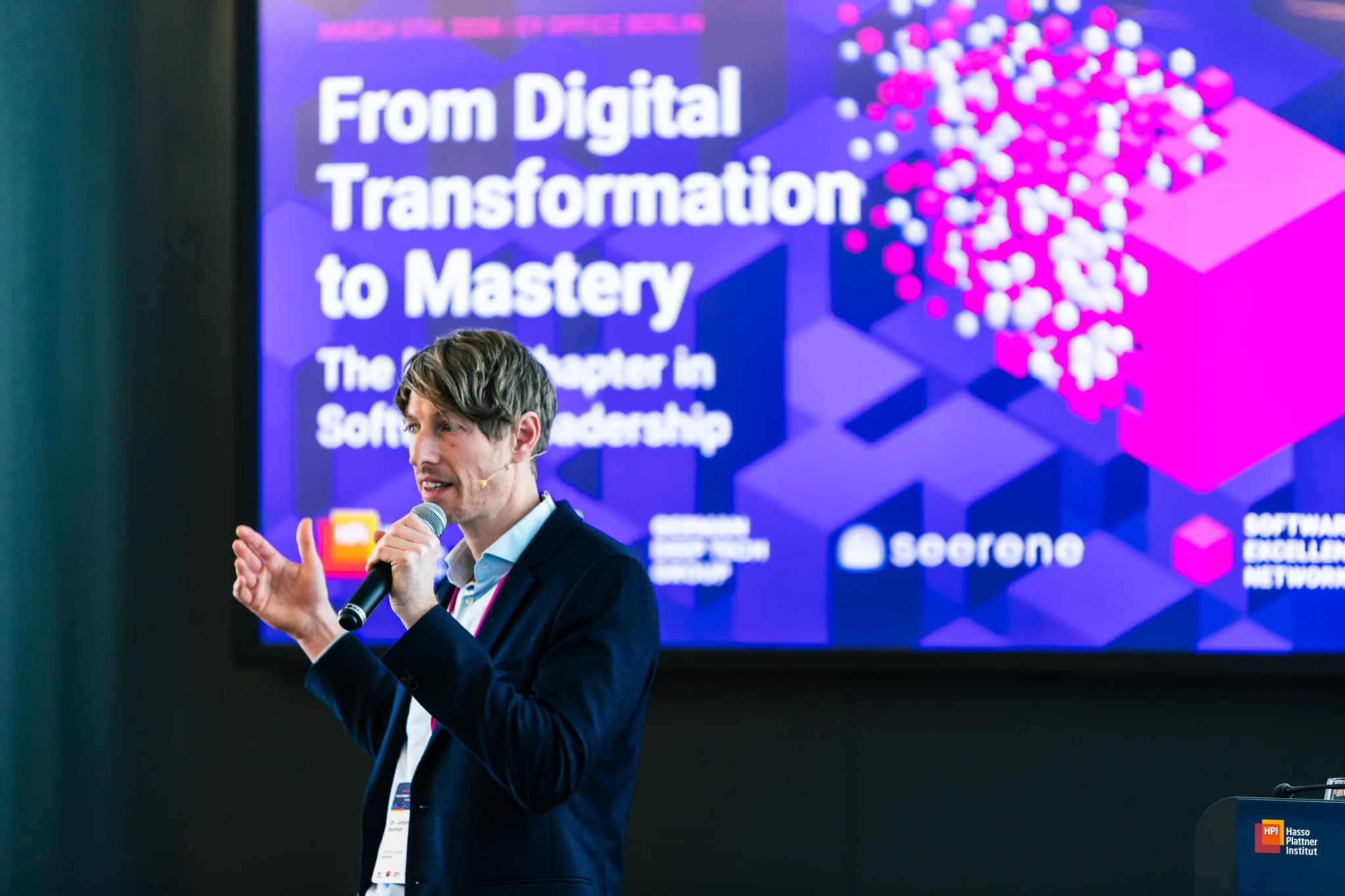
Dr. Johannes Bohnet

Dr. Johannes Bohnet

Founder & CEO, Seerene

"When software becomes the core of enterprise value creation, governing its production with the same rigor we apply to financial capital is not optional — it is a strategic imperative."

Marc Hildebrandt

Marc Hildebrandt

Chairman & Founder, CEO German Deep Tech Group

"In an industry built on engineering precision since the days of Graf Zeppelin, we cannot afford to manage our software production with less transparency than our physical manufacturing lines."


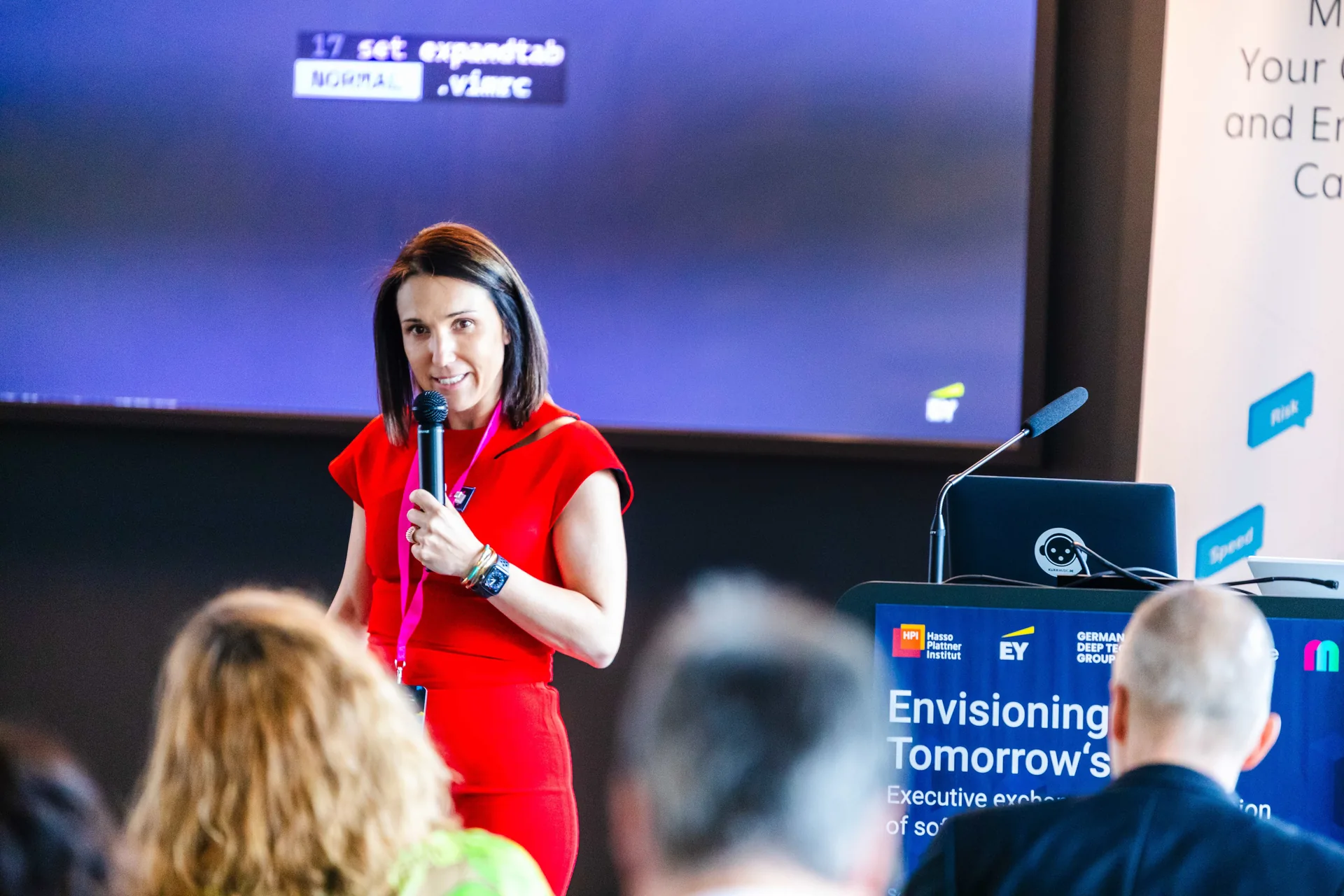
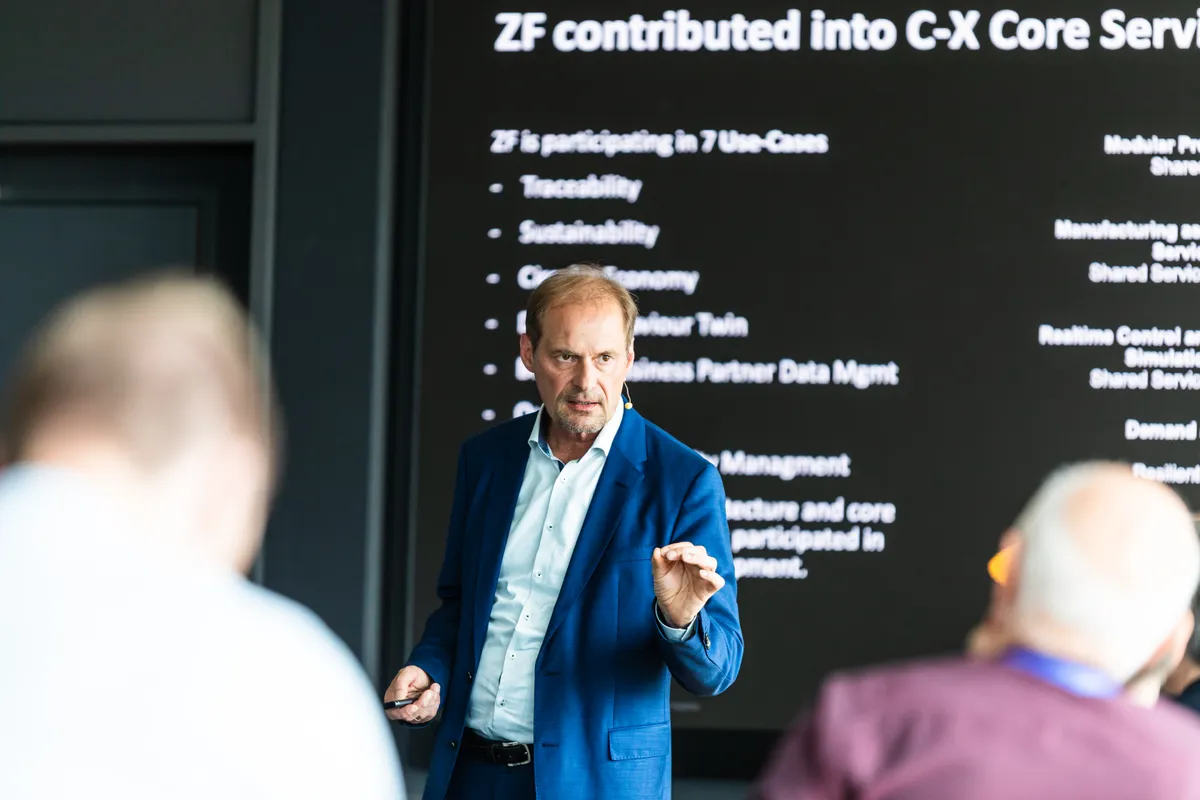
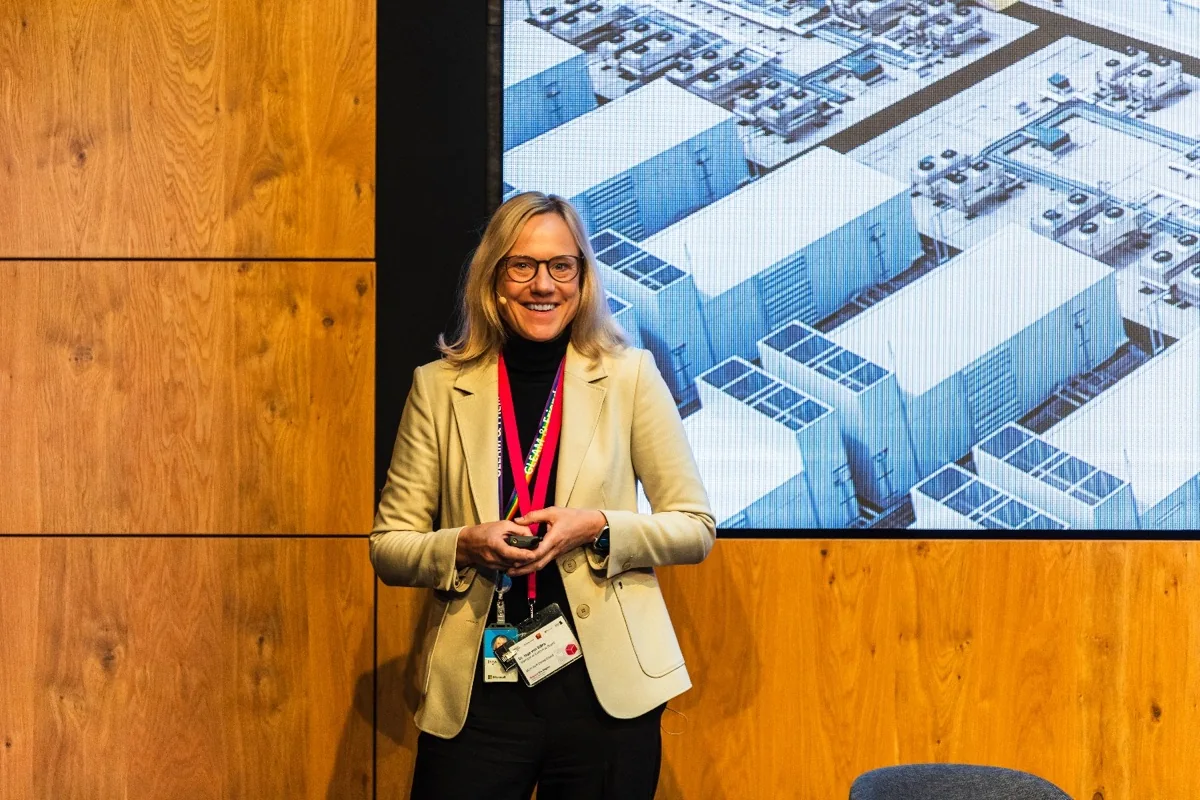
Software Excellence Network

Where senior leaders shape the future of software governance.

The Software Excellence Network brings together CIOs, CTOs, COOs, and board members from leading enterprises to advance the discipline of software production governance. Through executive exchanges, research collaborations, and cross-industry benchmarking, the network establishes best practices for the AI era.

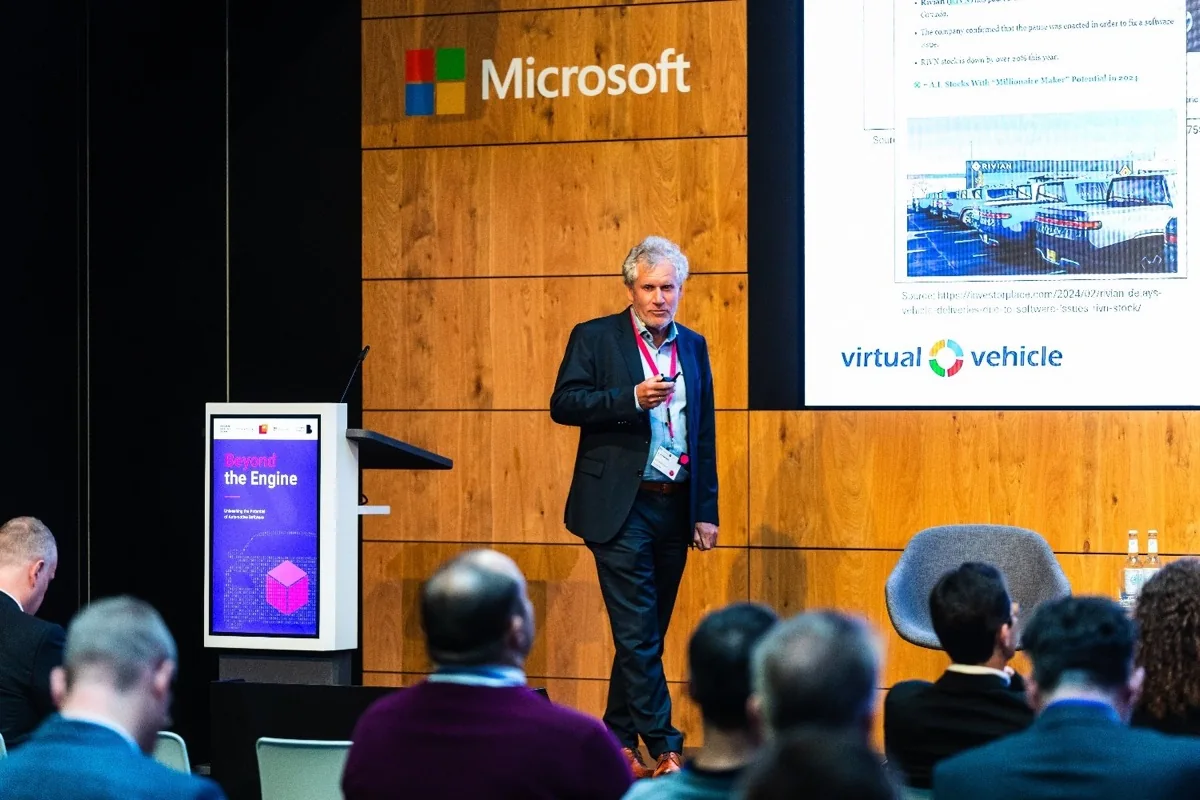
Recent speakers and participants include leaders from Bosch, Microsoft, KfW, Raiffeisen, ERGO, Continental, Erste Digital, and SAP.

Software Excellence Network →

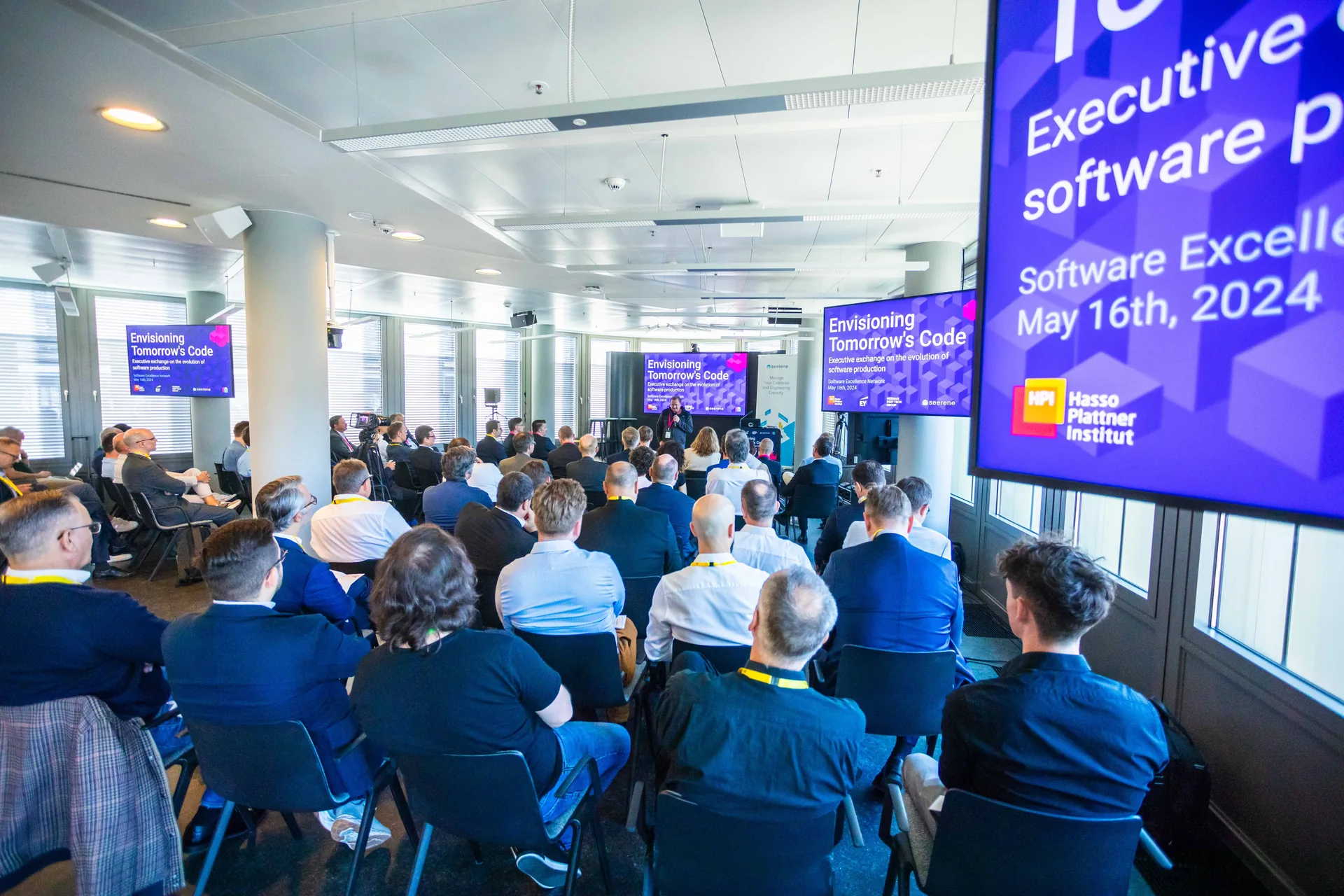
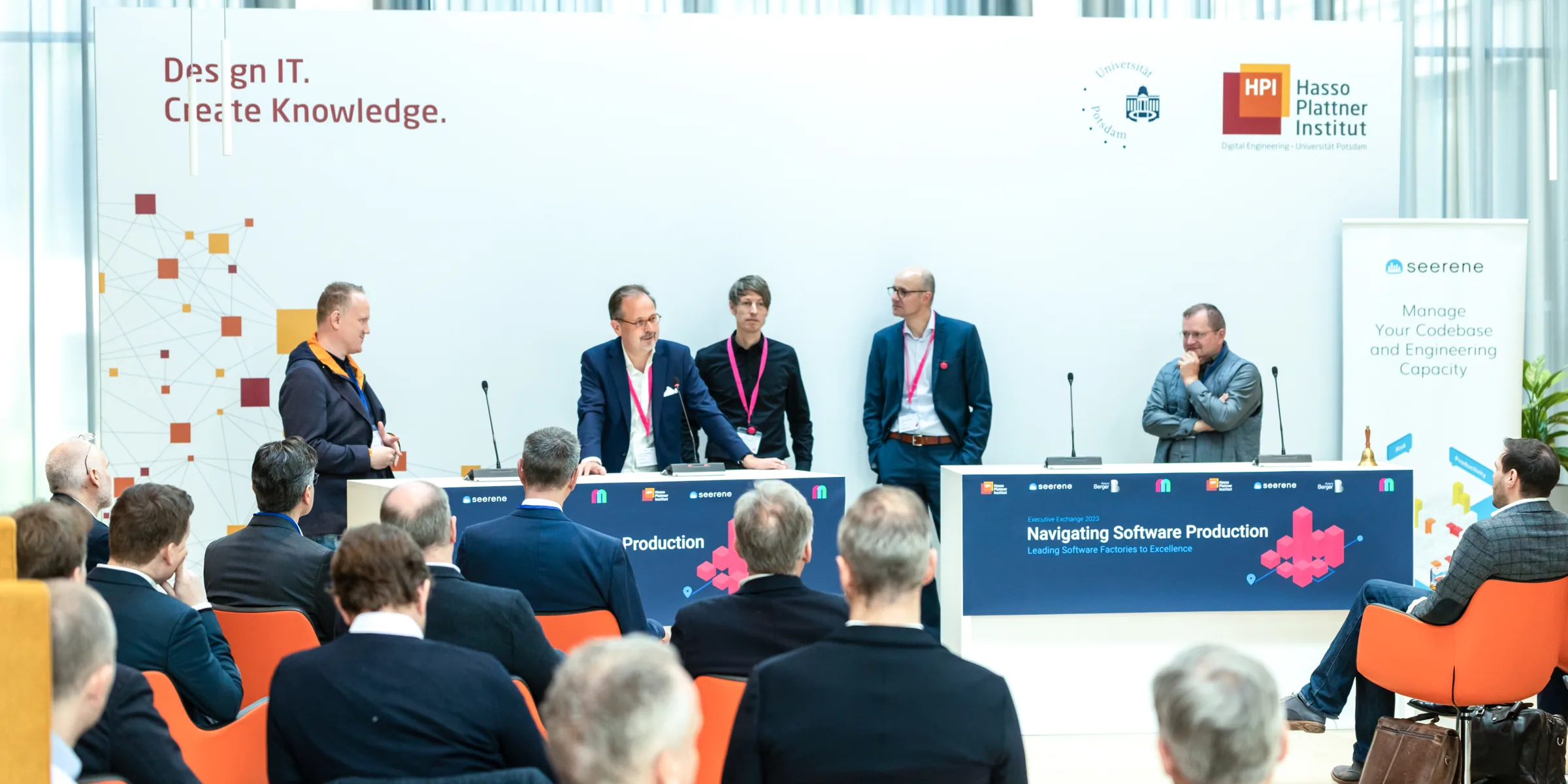
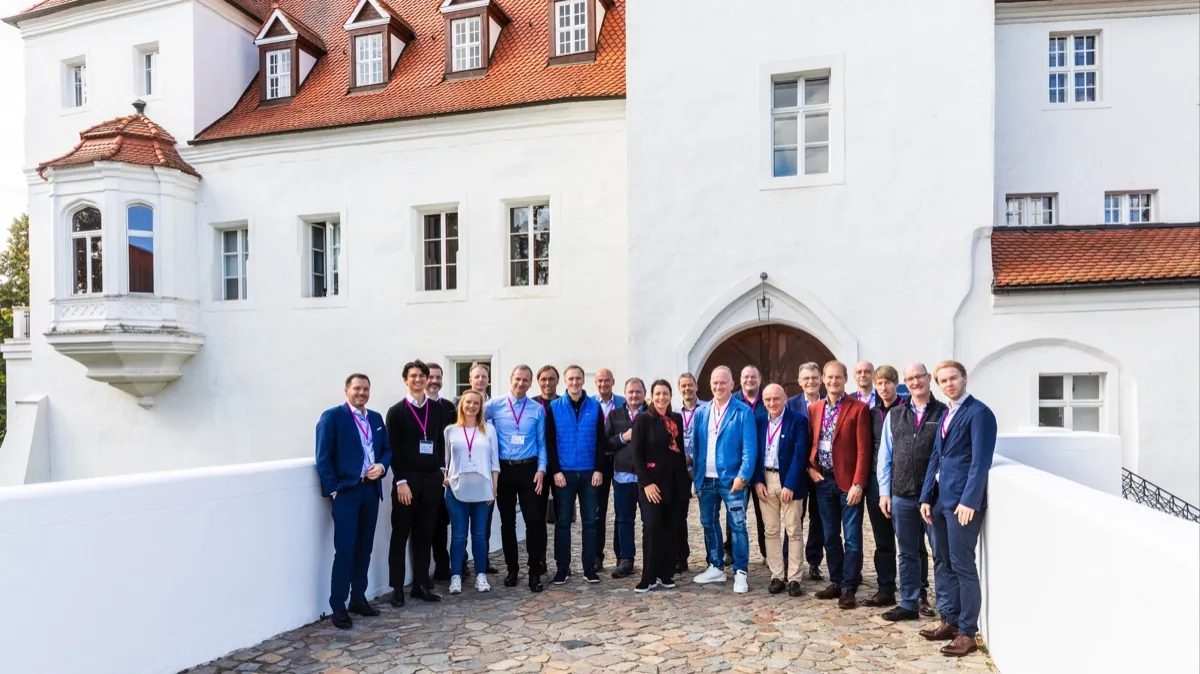
Software Excellence Network event at the Hasso Plattner Institute


About
Dr. Johannes Bohnet
Founded on a conviction
"Software production is the most expensive process most large organizations have never measured. We built Seerene to change that."

Dr. Johannes Bohnet — Founder & CEO, Seerene

Dr. Johannes Bohnet has spent two decades at the intersection of software production and organizational performance. His work began with a conviction that became impossible to ignore: the largest cost centers in modern enterprises were being managed with less rigor than their smallest operational processes — and no management system existed capable of changing this at portfolio scale.

With direct experience advising some of the world's most complex engineering organizations — from global industrial manufacturers to critical financial infrastructure operators — he built Seerene on a single operating principle: software production can and must be governed with the same management discipline as any other production system. Not as an aspiration. As an engineering fact.

Dr. Bohnet is a recognized authority on scalable software production management, a frequent speaker at C-level and board forums, and the founder of the Software Excellence Network — a cross-industry research and practitioner community at the frontier of software governance in the AI era.

Since 2014

Founder & CEO, Seerene. Built the management intelligence platform for enterprise software production. Customers include Siemens, SAP, Deutsche Bahn, Audi, and Telekom.

2008–2014

Research and advisory practice on software production quality and organizational performance at scale, with leading European industrial and financial organizations.

Ongoing

Founder, Software Excellence Network. Cross-industry platform for researchers and executive practitioners at the intersection of software governance, AI adoption, and production-scale management.

Marc Hildebrandt

Marc Hildebrandt

Chairman & Founder
CEO German Deep Tech Group

Oliver Viel

Oliver Viel

CMO

Sophia Höhn

Sophia Höhn

COO

Rene Freude

Rene Freude

Head of Engineering


Request an Executive Briefing

The question is not whether to govern your software production.

The question is whether to do so before the cost becomes unrecoverable.

The economics of AI-accelerated development, the growing board-level expectation for objective software governance, and the compounding nature of ungoverned technical debt have already answered the first question. Governance is not a strategic aspiration for next year. It is a current-state obligation with a quantifiable cost of delay.

The 30-day baseline is structured, non-invasive, and risk-free. No engineering workflow is disrupted. No existing tool is replaced. One executive mandate — and the first objective view of the software factory within a month. The organizations that establish this capability now will have a structural advantage that compounds. Those that wait will face the same problem at greater scale, at greater cost, with less recoverable capacity.

Seerene GmbH — Quentin-Tarantino-Str. 1, 14482 Potsdam, Germany

hello@seerene.com  ·  +49 331 706 234 0

seerene.com

Request Briefing